
Նորություններ
2024-04-21 Ամփոփելով մեր հաջողությունները Հայաստանի պատանիների և աղջիկների առաջնությունում...
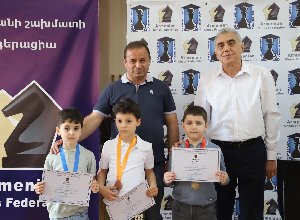 Ամփոփելով մեր հաջողությունները Հայաստանի պատանիների և աղջիկների առաջնությունում...
Մ8 տղաներ
1-ին տեղ - Մելքոնյան Մարկ Մհերի - ՖՎ, ՖՄ Մանուկյան Սարգիս, Ստեփանյան Գագիկ
2-րդ տեղ - Մովսիսյան Սամվել Գոռի - Մարկարյան Էմիլ
Մ10 տղաներ
1-ին տեղ - Մելքոնյան Դավիթ Արթուրի - ՖՎ, ՖՄ Մանուկյան Սարգիս
3-րդ տեղ - Մորիկյան Գոռ Արամի - Ազարյան Տիգրան
5-րդ տեղ - Աղոյան ...
Ամփոփելով մեր հաջողությունները Հայաստանի պատանիների և աղջիկների առաջնությունում...
Մ8 տղաներ
1-ին տեղ - Մելքոնյան Մարկ Մհերի - ՖՎ, ՖՄ Մանուկյան Սարգիս, Ստեփանյան Գագիկ
2-րդ տեղ - Մովսիսյան Սամվել Գոռի - Մարկարյան Էմիլ
Մ10 տղաներ
1-ին տեղ - Մելքոնյան Դավիթ Արթուրի - ՖՎ, ՖՄ Մանուկյան Սարգիս
3-րդ տեղ - Մորիկյան Գոռ Արամի - Ազարյան Տիգրան
5-րդ տեղ - Աղոյան ... Ավելին
2024-04-21 Ամփոփելով մեր հաջողությունները Հայաստանի պատանիների և աղջիկների առաջնությունում...
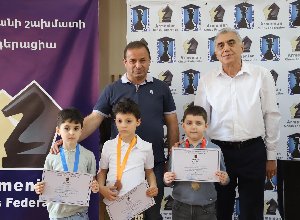 Ամփոփելով մեր հաջողությունները Հայաստանի պատանիների և աղջիկների առաջնությունում...
Մ08 տղաներ
1-ին տեղ - Մելքոնյան Մարկ Մհերի - ՖՎ, ՖՄ Մանուկյան Սարգիս, Ստեփանյան Գագիկ
2-րդ տեղ - Մովսիսյան Սամվել Գոռի - Մարկարյան Էմիլ
Մ10 տղաներ
1-ին տեղ - Մելքոնյան Դավիթ Արթուրի - ՖՎ, ՖՄ Մանուկյան Սարգիս
3-րդ տեղ - Մորիկյան Գոռ Արամի - Ազարյան Տիգրան
5-րդ տեղ - Աղոյան Գևո...
Ամփոփելով մեր հաջողությունները Հայաստանի պատանիների և աղջիկների առաջնությունում...
Մ08 տղաներ
1-ին տեղ - Մելքոնյան Մարկ Մհերի - ՖՎ, ՖՄ Մանուկյան Սարգիս, Ստեփանյան Գագիկ
2-րդ տեղ - Մովսիսյան Սամվել Գոռի - Մարկարյան Էմիլ
Մ10 տղաներ
1-ին տեղ - Մելքոնյան Դավիթ Արթուրի - ՖՎ, ՖՄ Մանուկյան Սարգիս
3-րդ տեղ - Մորիկյան Գոռ Արամի - Ազարյան Տիգրան
5-րդ տեղ - Աղոյան Գևո... Ավելին
2024-04-15 III և II կարգի որակավորման մրցաշարեր
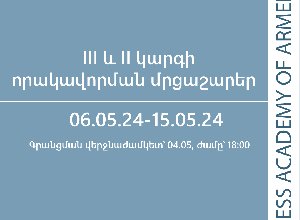 Ս/թ. մայիսի 6-ից 15-ը Հայաստանի շախմատի ակադեմիան «Շախմատի ակադեմիայի ակումբ»-ի հետ համատեղ կազմակերպում է III և II կարգի որակավորման մրցաշարեր:
Մրցաշարերի օրեր / ժամեր
06 մայիսի – 1 տուր 15:30
07 մայիսի – 2 տուր 15:30
08 մայիսի – 3 տուր 15:30
09 մայիսի – 4 տուր 12:00
10 մայիսի – 5 տուր 15:30
12 մայիսի – 6 տուր 12:00
13 մայիսի – 7 տուր 15:30
14 մայիսի – ...
Ս/թ. մայիսի 6-ից 15-ը Հայաստանի շախմատի ակադեմիան «Շախմատի ակադեմիայի ակումբ»-ի հետ համատեղ կազմակերպում է III և II կարգի որակավորման մրցաշարեր:
Մրցաշարերի օրեր / ժամեր
06 մայիսի – 1 տուր 15:30
07 մայիսի – 2 տուր 15:30
08 մայիսի – 3 տուր 15:30
09 մայիսի – 4 տուր 12:00
10 մայիսի – 5 տուր 15:30
12 մայիսի – 6 տուր 12:00
13 մայիսի – 7 տուր 15:30
14 մայիսի – ... Ավելին
2024-04-15 Շախմատի ամառային ճամբար
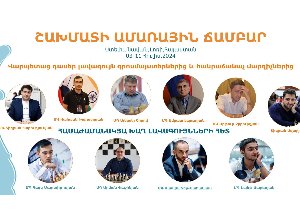 Հայաստանի շախմատի ակադեմիան, Ակադեմիայի ակումբի հետ համատեղ հուլիսի 3-ից 11-ը կազմակերպում է Շախմատի ամառային ճամբար:
Մանրամասներին կարող եք ծանոթանալ ստորև:
...
Հայաստանի շախմատի ակադեմիան, Ակադեմիայի ակումբի հետ համատեղ հուլիսի 3-ից 11-ը կազմակերպում է Շախմատի ամառային ճամբար:
Մանրամասներին կարող եք ծանոթանալ ստորև:
... Ավելին
2024-04-11 Ավարտվեց ուսումնամարզական հավաքը
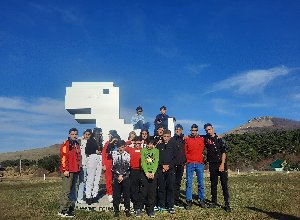 Ինչպես արդեն գիտեք, Ստեփանավանում տեղի էր ունենում ուսումնամարզական հավաքը՝ միտված Հայաստանի պատանիների և աղջիկների եզրափակիչ առաջնությանը նախապատրաստվելուն։
Շախմատի բովանդակալից պարապմունքներից բացի, պատանի շախմատիստները ակտիվորեն մասնակցեցին նաև տարբեր սպորտային և ժամանցային խաղերի ու միջոցառումների:
Իսկ այժմ մեր սաները թարմ ուժերով պատրաստ են մասնակցելու Հայա...
Ինչպես արդեն գիտեք, Ստեփանավանում տեղի էր ունենում ուսումնամարզական հավաքը՝ միտված Հայաստանի պատանիների և աղջիկների եզրափակիչ առաջնությանը նախապատրաստվելուն։
Շախմատի բովանդակալից պարապմունքներից բացի, պատանի շախմատիստները ակտիվորեն մասնակցեցին նաև տարբեր սպորտային և ժամանցային խաղերի ու միջոցառումների:
Իսկ այժմ մեր սաները թարմ ուժերով պատրաստ են մասնակցելու Հայա... Ավելին
2024-03-15 Ավարտվեց ՀՀ դպրոցականների շախմատի 18-րդ օլիմիադայի 2-րդ՝ երևանյան փուլը
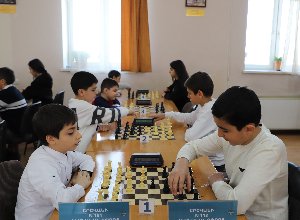 Հայաստանի շախմատի ակադեմիայում ավարտվեց ՀՀ դպրոցականների շախմատի 18-րդ օլիմիադայի 2-րդ՝ երևանյան փուլը:
3-րդ փուլի ուղեգիր նվաճեցին հետևյալ դպրոցների թիմները՝
Մալաթիա-Սեբաստիա - № 11 դպրոց
Աջափնյակ, Դավթաշեն - № 155 դպրոց
Էրեբունի, Նուբարաշեն - № 175 դպրոց
Նոր Նորք, Նորք-Մարաշ - № 135 դպրոց
Կենտրոն - № 19 դպրոց
Արաբկիր - № 77 դպրոց
Քանաքեռ-Զեյթ...
Հայաստանի շախմատի ակադեմիայում ավարտվեց ՀՀ դպրոցականների շախմատի 18-րդ օլիմիադայի 2-րդ՝ երևանյան փուլը:
3-րդ փուլի ուղեգիր նվաճեցին հետևյալ դպրոցների թիմները՝
Մալաթիա-Սեբաստիա - № 11 դպրոց
Աջափնյակ, Դավթաշեն - № 155 դպրոց
Էրեբունի, Նուբարաշեն - № 175 դպրոց
Նոր Նորք, Նորք-Մարաշ - № 135 դպրոց
Կենտրոն - № 19 դպրոց
Արաբկիր - № 77 դպրոց
Քանաքեռ-Զեյթ... Ավելին
2024-03-15 18-րդ օլիմպիադայի 2-րդ փուլ. Շենգավիթ վարչական շրջան
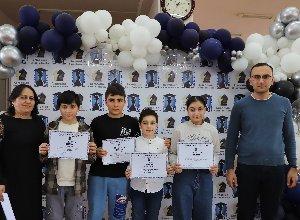 Հայաստանի շախմատի ակադեմիայում տեղի ունեցավ ՀՀ դպրոցականների շախմատի 18-րդ օլիմպիադայի 2-րդ փուլի վերջին խաղափուլը:
Այսօր միմյանց դեմ էին մրցում Շենգավիթ վարչական շրջանի հանրակրթական դպրոցի թիմերը:
Առաջին հորիզոնականը զբաղեցրեց № 161 հիմնական դպրոցի թիմը,
Երկրորդ հորիզոնական՝ № 66 հիմնական դպրոցի թիմը,
Երրորդ հորիզոնական՝ Քվանտ վարժարանը:
Առաջին հորիզոն...
Հայաստանի շախմատի ակադեմիայում տեղի ունեցավ ՀՀ դպրոցականների շախմատի 18-րդ օլիմպիադայի 2-րդ փուլի վերջին խաղափուլը:
Այսօր միմյանց դեմ էին մրցում Շենգավիթ վարչական շրջանի հանրակրթական դպրոցի թիմերը:
Առաջին հորիզոնականը զբաղեցրեց № 161 հիմնական դպրոցի թիմը,
Երկրորդ հորիզոնական՝ № 66 հիմնական դպրոցի թիմը,
Երրորդ հորիզոնական՝ Քվանտ վարժարանը:
Առաջին հորիզոն... Ավելին
2024-03-15 IV կարգի որակավորման մրցաշար
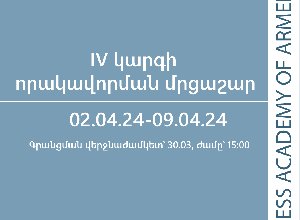 Ս/թ. ապրիլի 2-ից 9-ը Հայաստանի շախմատի ակադեմիան «Շախմատի ակադեմիայի ակումբ»-ի հետ համատեղ կազմակերպում է IV կարգի որակավորման մրցաշար:
IV կարգի մրցաշարը կայանալու է երկու տարիքային խմբերով - 1-ին խումբ՝ մինչև 8տ մասնակիցներ (2016թ. և բարձր), 2-րդ խումբ՝ առանց տարիքային սահմանափակումների:
Մրցաշարերի օրեր / ժամեր
02 ապրիլի – 1 տուր 16:30
03 ապրիլի – 2 տուր 16:3...
Ս/թ. ապրիլի 2-ից 9-ը Հայաստանի շախմատի ակադեմիան «Շախմատի ակադեմիայի ակումբ»-ի հետ համատեղ կազմակերպում է IV կարգի որակավորման մրցաշար:
IV կարգի մրցաշարը կայանալու է երկու տարիքային խմբերով - 1-ին խումբ՝ մինչև 8տ մասնակիցներ (2016թ. և բարձր), 2-րդ խումբ՝ առանց տարիքային սահմանափակումների:
Մրցաշարերի օրեր / ժամեր
02 ապրիլի – 1 տուր 16:30
03 ապրիլի – 2 տուր 16:3... Ավելին
2024-03-14 18-րդ օլիմպիադայի 2-րդ փուլ. Քանաքեռ Զեյթուն և Ավան վարչական շրջաններ
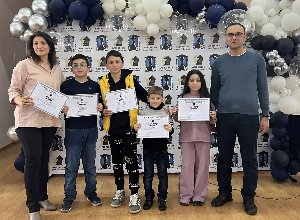 Հայաստանի շախմատի ակադեմիայում շարունակվում է ՀՀ դպրոցականների շախմատի 18-րդ օլիմպիադայի 2-րդ փուլը:
Այսօր միմյանց դեմ էին մրցում Քանաքեռ Զեյթուն և Ավան վարչական շրջանի հանրակրթական դպրոցների թիմերը:
Առաջին հորիզոնականը զբաղեցրեց № 136 հիմնական դպրոցի թիմը,
Երկրորդ հորիզոնական՝ Օհանյան կրթահամալիր,
Երրորդ հորիզոնական՝ Ֆիզմաթ դպրոց:
Առաջին հորիզոնական զբ...
Հայաստանի շախմատի ակադեմիայում շարունակվում է ՀՀ դպրոցականների շախմատի 18-րդ օլիմպիադայի 2-րդ փուլը:
Այսօր միմյանց դեմ էին մրցում Քանաքեռ Զեյթուն և Ավան վարչական շրջանի հանրակրթական դպրոցների թիմերը:
Առաջին հորիզոնականը զբաղեցրեց № 136 հիմնական դպրոցի թիմը,
Երկրորդ հորիզոնական՝ Օհանյան կրթահամալիր,
Երրորդ հորիզոնական՝ Ֆիզմաթ դպրոց:
Առաջին հորիզոնական զբ... Ավելին
2024-03-13 18-րդ օլիմպիադայի 2-րդ փուլ. Արաբկիր վարչական շրջան
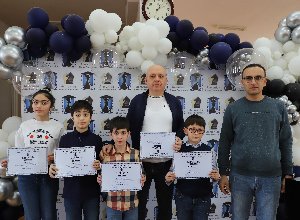 Հայաստանի շախմատի ակադեմիայում շարունակվում է ՀՀ դպրոցականների շախմատի 18-րդ օլիմպիադայի 2-րդ փուլը:
Այսօր միմյանց դեմ էին մրցում Արաբկիր վարչական շրջանի հանրակրթական դպրոցների թիմերը:
Առաջին հորիզոնականը զբաղեցրեց № 77 հիմնական դպրոցի թիմը
Երկրորդ հորիզոնական՝ № 51 հիմնական դպրոցի թիմ
Երրորդ հորիզոնական՝ № 130 հիմնական դպրոցի թիմ:
Առաջին հորիզոնական զբ...
Հայաստանի շախմատի ակադեմիայում շարունակվում է ՀՀ դպրոցականների շախմատի 18-րդ օլիմպիադայի 2-րդ փուլը:
Այսօր միմյանց դեմ էին մրցում Արաբկիր վարչական շրջանի հանրակրթական դպրոցների թիմերը:
Առաջին հորիզոնականը զբաղեցրեց № 77 հիմնական դպրոցի թիմը
Երկրորդ հորիզոնական՝ № 51 հիմնական դպրոցի թիմ
Երրորդ հորիզոնական՝ № 130 հիմնական դպրոցի թիմ:
Առաջին հորիզոնական զբ... Ավելին
Բոլոր նորությունները